

← Back to Overview

National Governance

From hundreds of local assessments to one national picture

A national authority overseeing hundreds of water utilities rarely suffers from a lack of reports. What it lacks is comparability – and without that, supervision is dictated by a calendar and responding to incidents rather than driven by preventive actions and risks.
Capital & Investment

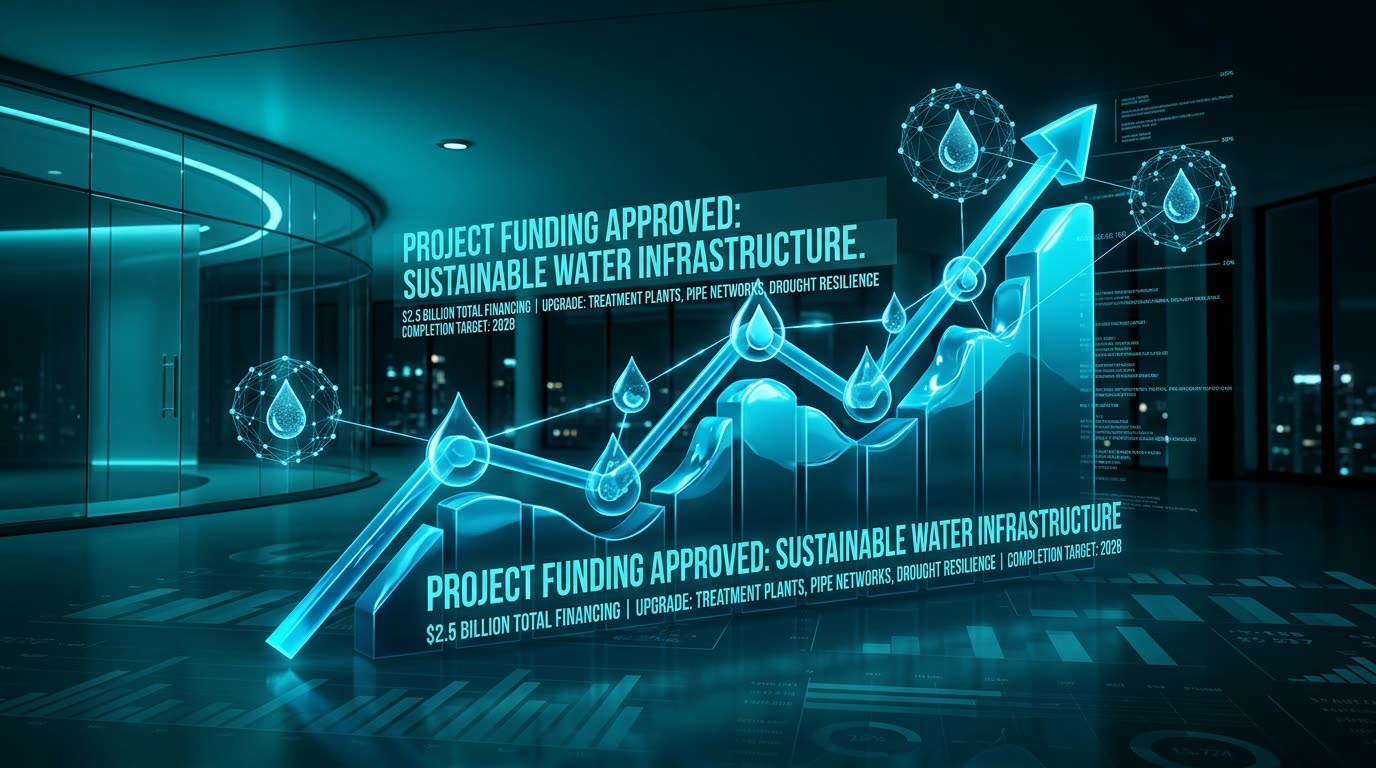
Making investments bankable

There is rarely a shortage of bankable ideas at the utilities. What is scarce is the verifiable governance data that allows financiers to say yes – and that gap, not a lack of capital, is what usually stalls national investments.

Operational Resilience

Preparedness that survives real incidents

Most utilities have an emergency plan. Far fewer have one that genuinely directs action in the first critical hour – yet it is that first hour that decides the outcome.

Utility Management

Threat-based prioritization

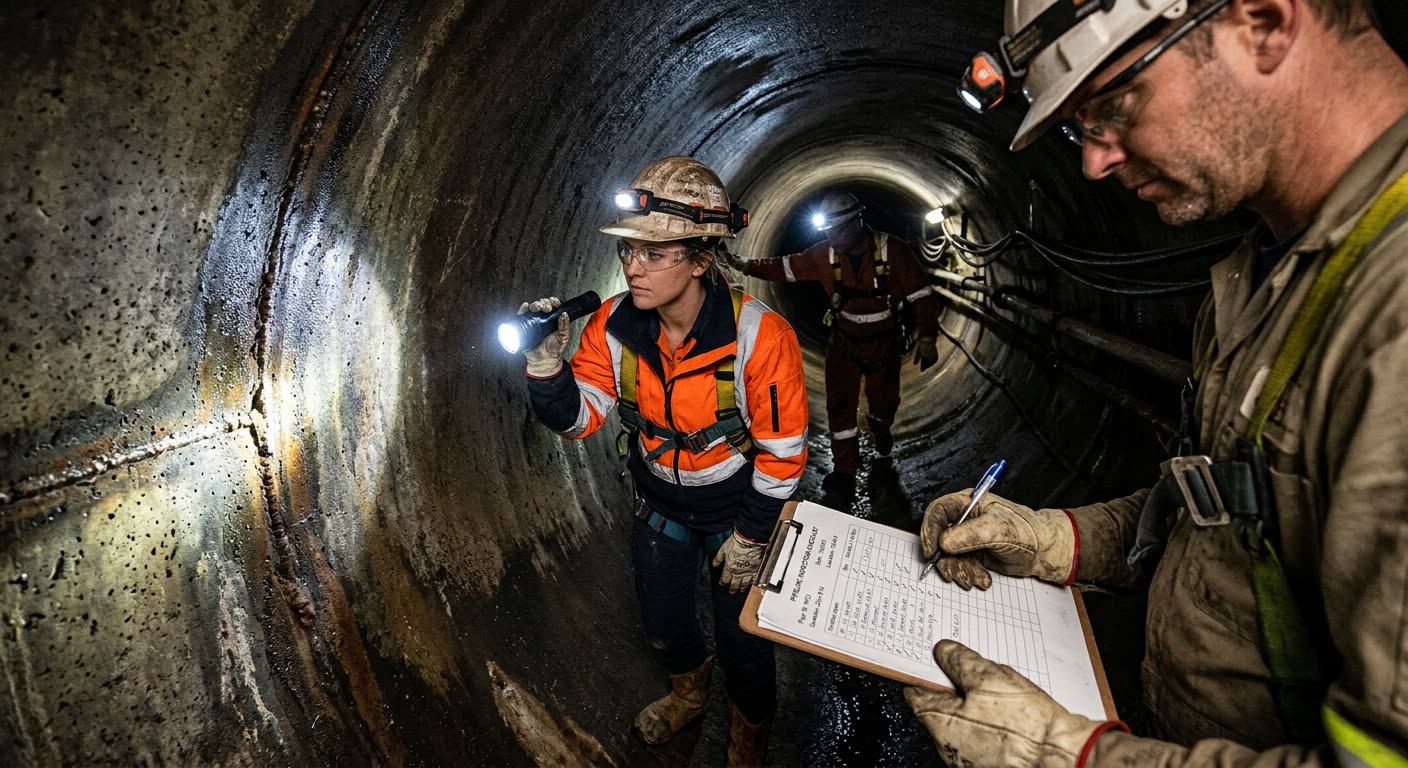
Most utilities do not suffer from a lack of investment needs; they suffer from competing urgencies. When budgets are limited, the default strategy is often to replace whatever failed most recently or whatever is easiest to do. Moving to threat-based prioritization changes how utility boards and managers justify, defend, and sequence spending and capital decisions - long before disruptions occur.

Standards & Compliance

What EU Directive 2020/2184 actually changes for utilities

The updated Drinking Water Directive is often seen merely as a demand for more measurements. That misses the point. The real shift is in accountability: instead of just proving the water leaves the plant clean, operators must now show that the entire system is understood and controlled.